

We speak with Salvador Talón, nutritionist, biochemical pharmacist and clinical mycologist at ZEM Wellness Clinic Altea, to uncover the true essence of the Mediterranean diet through a functional, mindful and personalised approach to nutrition. An approach designed to preserve good health, prevent disease (“All pathologies begin in the offices of the stomach,” Talón says) and to build, through food, a full and enduring Mediterranean Longevity.
Is the Mediterranean diet really as beneficial as it is believed to be?
“What remains of the Mediterranean diet today is little more than its name. Over the past 10 to 15 years, the concept has become seriously distorted. In Spain, Greece and Italy, throughout what we call Mare Nostrum, the traditional way of eating was genuinely beneficial. That is why, at ZEM Wellness Clinic Altea, we focus on recovering that ancestral diet, for which there is extensive scientific evidence supporting its benefits.”
What do you mean by ‘ancestral eating’?
“It is the way our grandparents ate, always taking into account where they lived. A diet with fewer foods, all of them local and seasonal. It did not include the excess meat or high protein intake we see today. Legumes and olive oil formed the foundation, alongside seasonal vegetables and fruits such as pomegranates, blackberries or cruciferous vegetables, which are among the most powerful plant-based foods. Small oily fish like sardines, mackerel or anchovies, never farmed, and meat only occasionally.”
Which foods should we consume on a daily basis?
“We should significantly increase our intake of vegetables, because one of the nutrients most people lack is fibre. We are overly concerned with protein, to the point that unbalanced high-protein diets have become fashionable, which is worrying. Due to a diet based on processed foods, we also lack fibre from cereals, legumes, nuts, mushrooms or algae, which provide minerals such as sodium, potassium, magnesium, strontium and germanium.
When these foods are removed, the body develops deficiencies that lead to microbiota imbalances. We need more fibre, especially from vegetables, and less from tubers, prioritising stems, leaves, fruits and flowers. Algae and mushrooms should also be included, as they are true super-nutrients.
As for animal protein, fish should be prioritised, although meat can also be included. Legumes should be avoided if they cause discomfort, which is why personalisation is essential. At ZEM Wellness Clinic Altea, our nutritional plans are adapted to each individual.”
How do ultra-processed foods affect us?
“They literally malnourish us. Ultra-processed foods contain high levels of salt, colourings, preservatives and additives that can cause cellular imbalances. The hydrogenated oils commonly used also generate inflammation in the body. They are certainly not healthy.”
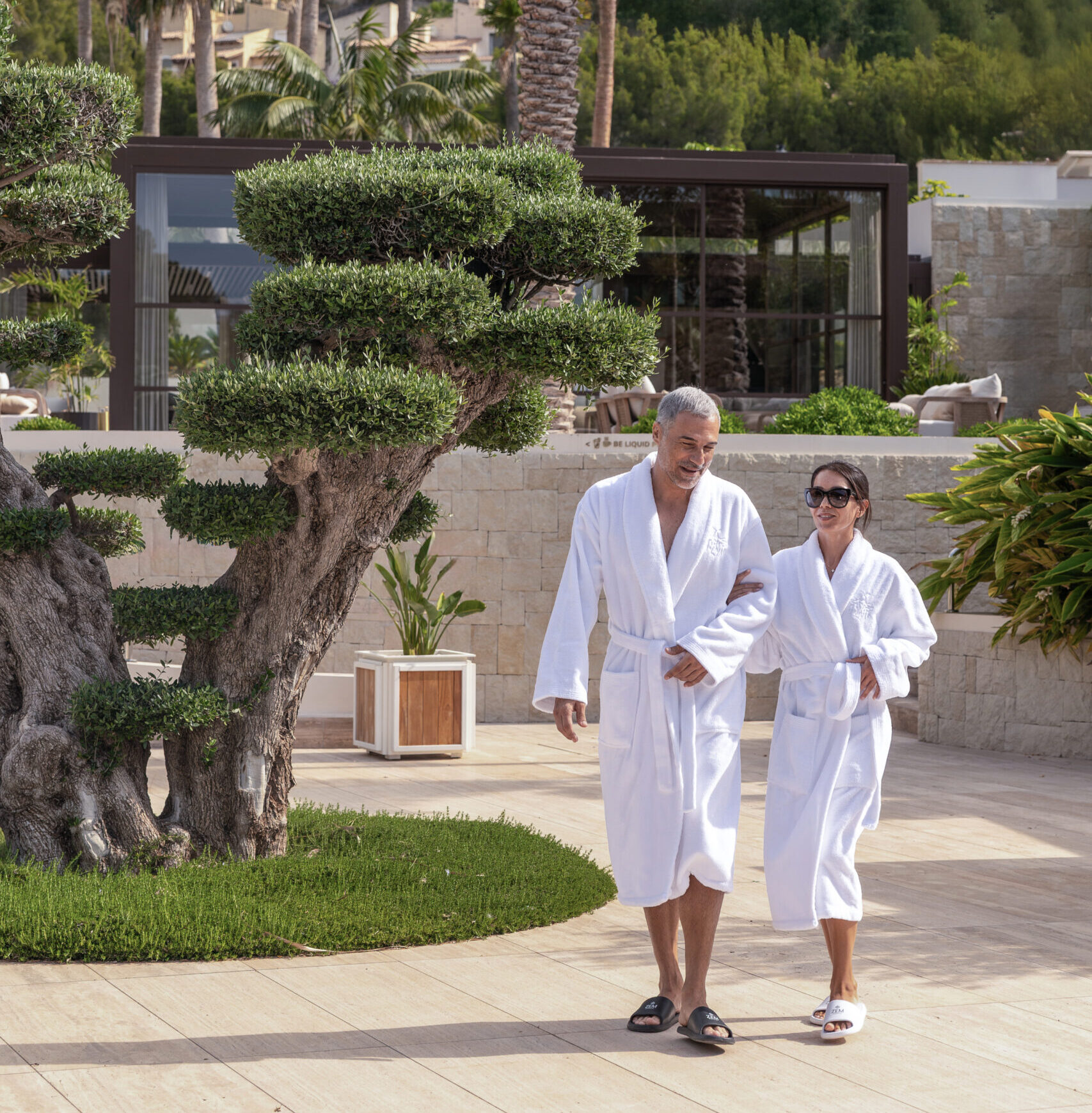
At ZEM Wellness Clinic Altea, we believe longevity begins with balance: a calm body, a conscious mind, and a life lived with presence and serenity.
What is your view on red meat?
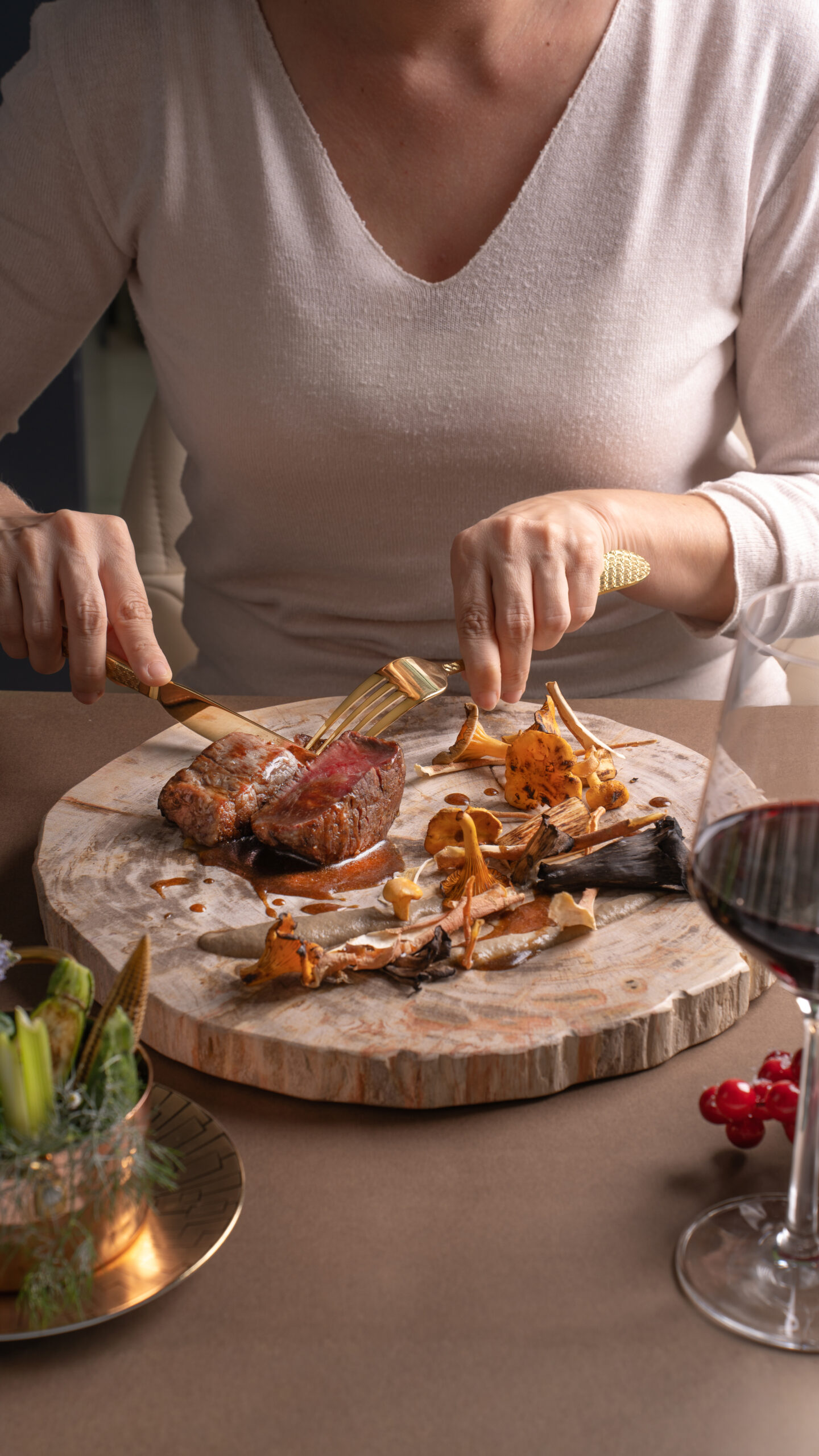
“I do not believe in demonising any food. If meat is consumed, it should be occasionally, and preferably organic and high quality. It is best avoided in the evening, as it alters liver enzymes and can encourage the growth of unfavourable bacteria. Lunchtime consumption, in moderation, is preferable. Eating red meat daily is not advisable. Processed meats should also be treated with caution, as they can trigger chronic inflammation.”
And farmed fish?
“If someone eats farmed salmon expecting the same omega-3 content, they may be disappointed. Fish need to move in cold waters; otherwise, their muscle mass is reduced and fat tissue increases. In addition, farmed fish are often treated with medication, which unfortunately we then consume.”
Why is gluten so controversial now?
“Modern flours are not what they used to be. The quality of flour and the way cereals are processed today affect how bread is tolerated. It is better to prioritise breads made from ancestral flours and sourdough. At ZEM Wellness Clinic, depending on the programme, we do serve bread, but always sourdough and well fermented, so the gluten is partially broken down and more easily absorbed.”
Which dairy products should we consume?
“Goat’s or sheep’s dairy is preferable to cow’s dairy, as it contains less growth hormone. Dairy is a mammalian secretion and carries hormonal factors. In fertility treatments, for example, one of the first steps we take is to eliminate dairy, as it is a source of oestrogens.”
What is your opinion on white sugar?
“I would remove it entirely from the World Health Organization’s recommendations. White sugar offers no nutritional value and actually depletes B-group vitamins during its metabolism.”
And sweeteners?
“I do not recommend them. It is better to train the palate to appreciate the natural sweetness of ingredients, or to use cinnamon, spices or a small amount of honey, which is an ancestral food. The chemical processes used to produce sweeteners are far from natural.”
How do pesticides affect our health through the food we eat?
“It is well established that pesticides are not healthy. Even in small, regulated quantities, they bioaccumulate at a cellular level and, over time, impair bodily function. Anyone who can access pesticide-free food will benefit greatly.
At ZEM Wellness Clinic, we work exclusively with organic agriculture. We have a nearby zero-kilometre farm where most produce is grown without pesticides. These foods are actually richer in nutrients, as plants that must defend themselves against climate and insects produce protective phytonutrients. Moreover, avoiding substances like glyphosate helps prevent hormonal, fertility, immune and even oncological imbalances.”
And what about plastic exposure and endocrine disruptors?
“We are far too exposed today. We should buy less food packaged in plastic and more from markets or in bulk. Plastics and canned foods release derivatives that interfere with hormonal metabolism.
In fertility consultations, we work to reduce exposure to certain cosmetics and plastics as much as possible. While we cannot live in a bubble, installing a home water filter or choosing glass-bottled water is a good first step. Plastics and pesticides disrupt gut health and intestinal permeability, contributing to issues such as SIBO or dysbiosis. At ZEM Wellness Clinic, we address this integratively, as stress also plays a major role.”
How does stress affect us nutritionally?
“Stress causes profound physiological changes. Cortisol increases intestinal permeability, while interferon gamma alters gut cells and microbiota balance. In consultation, we use foods that calm the nervous system. Consuming natural glucose sources is not the same as consuming sugar.
At ZEM Wellness Clinic Altea, we exclude refined sugar to reduce B-vitamin depletion. Omega-3 fatty acids from fish and algae are also essential in protecting the body from stress. In acute situations, magnesium supplementation may be recommended.”
This explains your integrative medical approach…
“Exactly. At ZEM Wellness Clinic Altea, nutrition and psychology work side by side. The gut-brain axis is deeply interconnected, especially under stress or anxiety. Our specialists collaborate to create personalised plans, whether for detoxification, weight management, nervous system regulation or inflammation reduction, based on clinical assessments and diagnostic results.”
Inflammation is widely discussed today. How does it affect us?
“It is a scientifically well-supported concept. Any aggressive stimulus triggers inflammation and activates the immune system. That is why we conduct detailed clinical assessments, including food sensitivity tests and bioimpedance analysis, to evaluate intracellular and extracellular water and overall energy balance. This information allows us to design fully personalised plans.”
Which habits improve nutritional health?
“It depends on age, but generally eating slightly less, choosing seasonal, local and organic foods whenever possible. Leaving the table slightly hungry is healthy, a concept known in Japan as Hara Hachi Bu, eating until 80% full.
In Spain, social culture revolves around food, making this difficult. At ZEM Wellness Clinic Altea, we explain this mindset shift as essential for activating physiological processes. Intermittent fasting is also highly beneficial. In our Detox Plan, we encourage early dinners and a minimum 12-hour fasting window.”
How many fasting hours do you recommend?
“It depends on the goal. For weight loss, 16 to 18 hours. For general health and rest, 12 hours is sufficient. A stricter 16-hour fast once a month can activate autophagy. Women of fertile age should be cautious, as excessive fasting may disrupt hormonal balance. Listening to the body is key. Late dinners are never advisable.”
What are the health benefits of mushrooms and fungi?
“Mushrooms are the fruiting body; fungi are the underlying mycelium. All fungi are medicinal, even the common mushroom. They support immunity, regulate oestrogen metabolism and are low in calories. They are not vegetables, but their fibre and amino acid profiles are excellent.
Fungi contain beta-glucans and lectins that help activate immune defences. At ZEM Wellness Clinic Altea, we have integrated them into our guests’ diets. They are the future.”
Wild or cultivated mushrooms?
“Cultivated. Wild mushrooms can absorb heavy metals, which is beneficial for soil but potentially harmful for us. As a mycologist, I prefer controlled cultivation.”
How do heavy metals affect us?
“They can cause multiple pathologies, including neurological ones. We measure them through blood and hair analysis. Fibre from vegetables, algae, seeds, mushrooms and herbs like coriander help chelate heavy metals. A biannual detoxification is advisable, which is why we recommend coming to ZEM Wellness Clinic Altea.”
Which foods promote Mediterranean Longevity?
“Real food: more fibre, more greens, less animal protein, more small oily fish, red meat only occasionally, sheep’s or goat’s dairy, and smaller portions. This reduces chronic inflammation and supports longevity.”
About the Expert
Salvador Talón is a nutritionist, biochemical pharmacist and clinical mycologist, recognised as a pioneer in Spain in the clinical use of medicinal fungi. With over 20 years of private practice, he is an international reference in cellular nutrition, chronic inflammation, longevity and psycho-neuro-immuno-endocrinology.
A university lecturer and full member of SEFIT (Spanish Society of Phytotherapy), he is currently completing a PhD in Health, Psychology and Psychiatry at the University of Almería, researching Cognitive Neuroscience. As an international speaker, he is known for his innovative approach and commitment to integrative health.

Marina Vega
Contributor at ZEM Wellness Clinic Altea
Graduated in Journalism from the University of Valladolid and based in Altea (Alicante), Marina is a freelance journalist specialising in travel and gastronomy. Since 2018, she has been writing for Condé Nast Traveler and, since 2020, for Guía Repsol, Guía Hedonista, and GastroActitud.
She also collaborates with the Sustainable Guide (Comunidad Valenciana), participates in local projects, writes scripts and voiceovers for videos, acts as a presenter for conferences, and moderates round tables at gastronomic congresses. Her goal is to promote the region through a more conscious and sustainable perspective.
Marina Vega
Contributor at ZEM Wellness Clinic Altea
Graduated in Journalism from the University of Valladolid and based in Altea (Alicante), Marina is a freelance journalist specialising in travel and gastronomy. Since 2018, she has been writing for Condé Nast Traveler and, since 2020, for Guía Repsol, Guía Hedonista, and GastroActitud.
She also collaborates with the Sustainable Guide (Comunidad Valenciana), participates in local projects, writes scripts and voiceovers for videos, acts as a presenter for conferences, and moderates round tables at gastronomic congresses. Her goal is to promote the region through a more conscious and sustainable perspective.